Sure! Here’s an introduction to blockchain wallets in Engli

                        发布时间:2025-08-02 18:47:32
                        Sure! Here’s an introduction to blockchain wallets in English:

---

Introduction to Blockchain Wallets

In the ever-evolving world of cryptocurrencies, the way we store and manage our digital assets is crucial. This is where blockchain wallets come into play. A blockchain wallet is essentially a digital wallet that allows users to store, send, and receive cryptocurrencies like Bitcoin, Ethereum, and many others. Unlike traditional wallets that hold physical currency, blockchain wallets operate through cryptographic keys that ensure the security and integrity of your assets.

What is a Blockchain Wallet?

A blockchain wallet can be thought of as a specialized software program that interacts with various blockchain networks. It enables users to manage their balances, monitor transactions, and access their funds seamlessly. Instead of holding the actual cryptocurrency, these wallets hold the keys that grant you access to your digital assets on the blockchain.

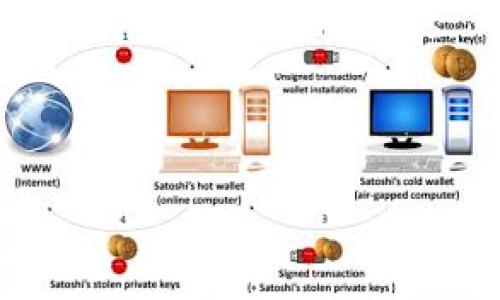
Wallets can be classified into two main types: hot wallets and cold wallets. Hot wallets are connected to the internet, making them convenient for everyday transactions but potentially more vulnerable to hacking attempts. Cold wallets, on the other hand, are offline storage solutions, which provide enhanced security at the cost of accessibility. Both types serve the primary function of securing your keys and keeping your cryptocurrencies safe.

The Importance of Private Keys

When dealing with blockchain wallets, understanding private keys is paramount. A private key is a unique string of characters that allows you to access your cryptocurrency. Think of it as your digital signature. If someone gains access to your private key, they can control your wallet and potentially steal your assets. Therefore, safeguarding your private key is critical. This means employing strong passwords, using two-factor authentication, and possibly opting for hardware wallets to enhance security.

Types of Blockchain Wallets

Blockchain wallets come in various forms, each with its own advantages and disadvantages. Here are some common types:

ul
  listrongSoftware Wallets:/strong These are applications you can install on your computer or smartphone. They are easy to use and perfect for day-to-day transactions, but they are more susceptible to malware and hacks./li
  listrongWeb Wallets:/strong Accessible through your web browser, web wallets offer convenience but require trust in third-party providers. Notable exchanges often provide web wallet services./li
  listrongMobile Wallets:/strong Designed for smartphones, these wallets allow you to conduct transactions on the go. They often include features like QR code scanning and geolocation services./li
  listrongHardware Wallets:/strong These physical devices store your private keys offline, offering robust security. They are ideal for long-term storage of significant amounts of cryptocurrency./li
  listrongPaper Wallets:/strong This is a form of cold storage that involves printing out your private and public keys on paper. While secure from online threats, they can be easily lost or damaged./li
/ul

Setting Up Your Blockchain Wallet

Setting up a blockchain wallet is generally a straightforward process, but it’s essential to follow the instructions carefully to ensure your assets are secure.

ol
  listrongChoose the Right Wallet:/strong Depending on your needs—whether for trading, investing, or holding long-term—select a wallet that fits your requirements./li
  listrongCreate Your Wallet:/strong Follow the setup instructions provided by the wallet provider. This usually involves creating a password and generating a seed phrase, which is crucial for recovering your wallet if you lose access./li
  listrongSecure Your Keys:/strong Always back up your private keys and seed phrase. Store them in multiple locations to prevent losing access to your wallet./li
  listrongFund Your Wallet:/strong Purchase cryptocurrency from exchanges and transfer it to your newly created wallet using your public address./li
/ol

Best Practices for Using Blockchain Wallets

To maximize security and functionality when using blockchain wallets, consider the following best practices:

ul
  listrongRegularly Update Your Wallet:/strong Software updates often include security patches. Keeping your wallet up-to-date protects you from vulnerabilities./li
  listrongEnable Two-Factor Authentication:/strong Whenever possible, enable two-factor authentication for an extra layer of security./li
  listrongBe Wary of Phishing Attempts:/strong Always double-check URLs and be cautious when clicking on links. Scammers often imitate legitimate sites to steal your credentials./li
  listrongConduct Research:/strong Before investing in a particular cryptocurrency, ensure you understand its fundamentals and market trends./li
  listrongConsider Using Multiple Wallets:/strong Diversifying your assets across different wallets can enhance security and reduce risks./li
/ul

The Future of Blockchain Wallets

As the cryptocurrency landscape continues to grow and evolve, blockchain wallets will also undergo significant advancements. Users can expect enhanced security features, easier user interfaces, and integrations with other financial services. Additionally, the rise of decentralized finance (DeFi) and non-fungible tokens (NFTs) is likely to influence wallet functionalities, making them more versatile than ever before.

In conclusion, blockchain wallets are an essential tool for anyone venturing into the world of cryptocurrencies. Understanding their functions, importance, and how to secure them can ensure a safer and more enjoyable experience in managing your digital assets. Whether you're a casual user or a seasoned investor, taking the time to learn about blockchain wallets will empower you in the ever-changing landscape of cryptocurrency.

--- 

Feel free to adjust or expand upon any section to meet your specific needs or context!Sure! Here’s an introduction to blockchain wallets in English:

---

Introduction to Blockchain Wallets

In the ever-evolving world of cryptocurrencies, the way we store and manage our digital assets is crucial. This is where blockchain wallets come into play. A blockchain wallet is essentially a digital wallet that allows users to store, send, and receive cryptocurrencies like Bitcoin, Ethereum, and many others. Unlike traditional wallets that hold physical currency, blockchain wallets operate through cryptographic keys that ensure the security and integrity of your assets.

What is a Blockchain Wallet?

A blockchain wallet can be thought of as a specialized software program that interacts with various blockchain networks. It enables users to manage their balances, monitor transactions, and access their funds seamlessly. Instead of holding the actual cryptocurrency, these wallets hold the keys that grant you access to your digital assets on the blockchain.

Wallets can be classified into two main types: hot wallets and cold wallets. Hot wallets are connected to the internet, making them convenient for everyday transactions but potentially more vulnerable to hacking attempts. Cold wallets, on the other hand, are offline storage solutions, which provide enhanced security at the cost of accessibility. Both types serve the primary function of securing your keys and keeping your cryptocurrencies safe.

The Importance of Private Keys

When dealing with blockchain wallets, understanding private keys is paramount. A private key is a unique string of characters that allows you to access your cryptocurrency. Think of it as your digital signature. If someone gains access to your private key, they can control your wallet and potentially steal your assets. Therefore, safeguarding your private key is critical. This means employing strong passwords, using two-factor authentication, and possibly opting for hardware wallets to enhance security.

Types of Blockchain Wallets

Blockchain wallets come in various forms, each with its own advantages and disadvantages. Here are some common types:

ul
  listrongSoftware Wallets:/strong These are applications you can install on your computer or smartphone. They are easy to use and perfect for day-to-day transactions, but they are more susceptible to malware and hacks./li
  listrongWeb Wallets:/strong Accessible through your web browser, web wallets offer convenience but require trust in third-party providers. Notable exchanges often provide web wallet services./li
  listrongMobile Wallets:/strong Designed for smartphones, these wallets allow you to conduct transactions on the go. They often include features like QR code scanning and geolocation services./li
  listrongHardware Wallets:/strong These physical devices store your private keys offline, offering robust security. They are ideal for long-term storage of significant amounts of cryptocurrency./li
  listrongPaper Wallets:/strong This is a form of cold storage that involves printing out your private and public keys on paper. While secure from online threats, they can be easily lost or damaged./li
/ul

Setting Up Your Blockchain Wallet

Setting up a blockchain wallet is generally a straightforward process, but it’s essential to follow the instructions carefully to ensure your assets are secure.

ol
  listrongChoose the Right Wallet:/strong Depending on your needs—whether for trading, investing, or holding long-term—select a wallet that fits your requirements./li
  listrongCreate Your Wallet:/strong Follow the setup instructions provided by the wallet provider. This usually involves creating a password and generating a seed phrase, which is crucial for recovering your wallet if you lose access./li
  listrongSecure Your Keys:/strong Always back up your private keys and seed phrase. Store them in multiple locations to prevent losing access to your wallet./li
  listrongFund Your Wallet:/strong Purchase cryptocurrency from exchanges and transfer it to your newly created wallet using your public address./li
/ol

Best Practices for Using Blockchain Wallets

To maximize security and functionality when using blockchain wallets, consider the following best practices:

ul
  listrongRegularly Update Your Wallet:/strong Software updates often include security patches. Keeping your wallet up-to-date protects you from vulnerabilities./li
  listrongEnable Two-Factor Authentication:/strong Whenever possible, enable two-factor authentication for an extra layer of security./li
  listrongBe Wary of Phishing Attempts:/strong Always double-check URLs and be cautious when clicking on links. Scammers often imitate legitimate sites to steal your credentials./li
  listrongConduct Research:/strong Before investing in a particular cryptocurrency, ensure you understand its fundamentals and market trends./li
  listrongConsider Using Multiple Wallets:/strong Diversifying your assets across different wallets can enhance security and reduce risks./li
/ul

The Future of Blockchain Wallets

As the cryptocurrency landscape continues to grow and evolve, blockchain wallets will also undergo significant advancements. Users can expect enhanced security features, easier user interfaces, and integrations with other financial services. Additionally, the rise of decentralized finance (DeFi) and non-fungible tokens (NFTs) is likely to influence wallet functionalities, making them more versatile than ever before.

In conclusion, blockchain wallets are an essential tool for anyone venturing into the world of cryptocurrencies. Understanding their functions, importance, and how to secure them can ensure a safer and more enjoyable experience in managing your digital assets. Whether you're a casual user or a seasoned investor, taking the time to learn about blockchain wallets will empower you in the ever-changing landscape of cryptocurrency.

--- 

Feel free to adjust or expand upon any section to meet your specific needs or context!
                        分享 :
                                author

                                tpwallet

                                TokenPocket是全球最大的数字货币钱包,支持包括BTC, ETH, BSC, TRON, Aptos, Polygon, Solana, OKExChain, Polkadot, Kusama, EOS等在内的所有主流公链及Layer 2,已为全球近千万用户提供可信赖的数字货币资产管理服务,也是当前DeFi用户必备的工具钱包。

                                      相关新闻

                                      主流虚拟币形态及其特点
                                      2024-02-19
                                      主流虚拟币形态及其特点

                                      1. 加密货币 加密货币是主流虚拟币的一种形态,使用密码学技术保护交易安全和验证资金流动。最著名的加密货币是...
                                      2023年最受欢迎的钱包大盘
                                      2024-12-30
                                      2023年最受欢迎的钱包大盘

                                      钱包是每个人日常生活中不可或缺的物品,不仅是用来存放现金和信用卡,更是展现个人品位的一个重要的配件。在...

                                      数字货币Cyt钱包:安全、
                                      2025-08-17
                                      数字货币Cyt钱包:安全、

                                      引言 随着数字货币的崛起,越来越多的人开始关注数字资产的管理和储存。在众多的数字货币钱包中,Cyt钱包因其安...

                                      区块链钱包硬件配置需求
                                      2024-09-02
                                      区块链钱包硬件配置需求

                                      引言 随着数字货币的快速发展,区块链钱包成为了许多人不可或缺的工具。不论是用于存储、转账还是交易,选择一...

                                                      <em id="bkv"></em><time draggable="66z"></time><map dir="we4"></map><area id="kys"></area><del dir="_4x"></del><tt dir="ddh"></tt><ol id="op_"></ol><acronym id="f4h"></acronym><var dir="lul"></var><pre lang="cdb"></pre><abbr dropzone="1dz"></abbr><del id="zk0"></del><u draggable="kuq"></u><acronym lang="6x8"></acronym><abbr dir="h1m"></abbr><dfn lang="1xw"></dfn><ins lang="uue"></ins><ol dir="j5o"></ol><b id="1mk"></b><legend draggable="1h4"></legend>